

12 Nov Calgary to Banff in Winter: What to Expect on Highway 1
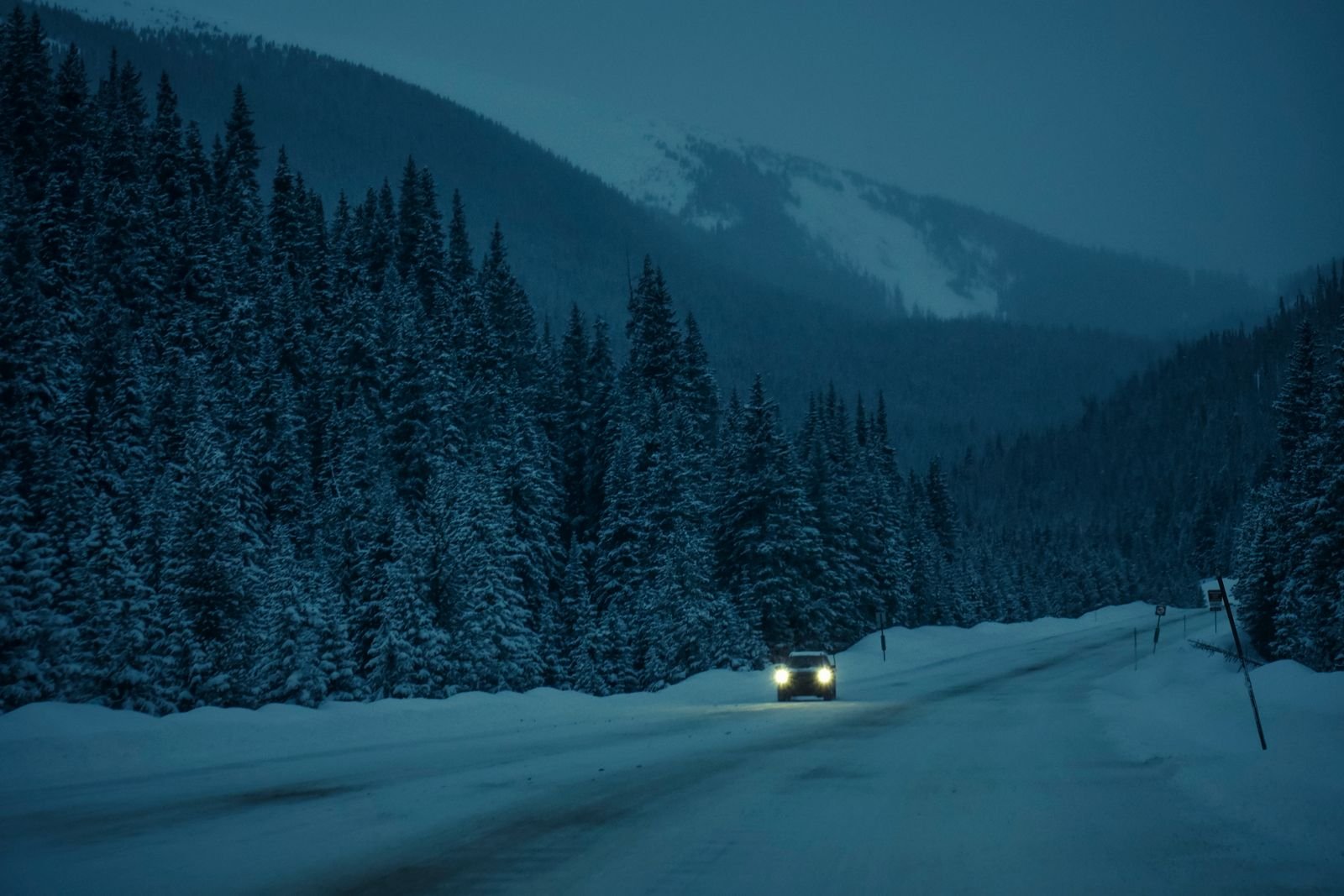
Every winter, somebody lands in Calgary after a long flight, picks up a rental car, and discovers that the drive to Banff is nothing like the drive they do at home. The road itself is easy to follow. Highway 1 is wide, well maintained and signed all the way. What changes in winter is everything around it: the light, the temperature swings, the wind coming off the foothills, and the way a dry road can turn slick in the space of one shaded corner.
This guide is for anyone planning a Calgary to Banff winter drive, whether you intend to take the wheel yourself or are weighing up a private transfer. We have kept it practical. You will find what the trip usually looks like, the tire rules that matter, where to check conditions before you leave, and a short list of habits that make the difference between a calm trip and a stressful one.
The basics: distance and drive time
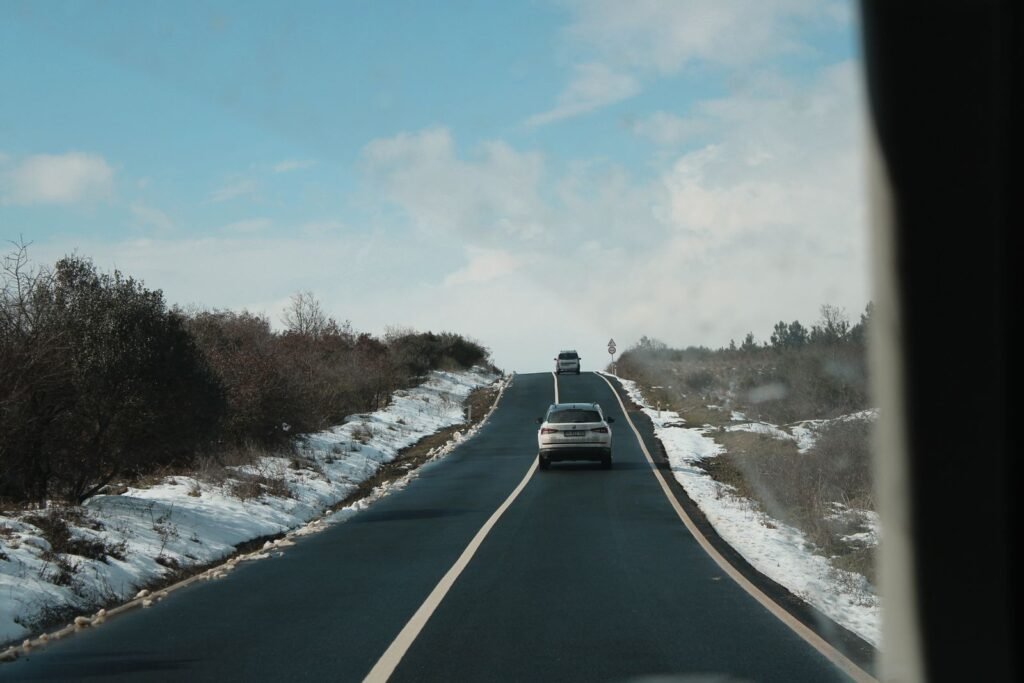
Banff sits roughly 90 minutes by road from Calgary International Airport in normal conditions, according to the regional tourism board, and Lake Louise is about 40 minutes further along. Most of that distance is on the Trans-Canada Highway (Highway 1), which runs west out of Calgary, climbs gently through the foothills, passes Canmore and then enters Banff National Park.
That 90-minute figure is a dry-weather number. In winter we plan on more. A snowfall warning, a collision ahead or a slow stretch near Canmore can stretch the trip well beyond what a map app showed when you left the airport. If you are catching a connection, meeting a wedding party or checking in to a hotel with a strict cut-off, build in a cushion rather than aiming for the minimum.
What winter conditions usually look like on Highway 1
The road west of Calgary does not behave the same way along its whole length. It helps to think of it in three parts.
The foothills stretch
Leaving the city, the highway crosses open rolling country. There is little to break the wind, so blowing snow and drifting can reduce visibility even when the sky looks clear overhead. Chinook winds, the warm westerlies that sweep out of the mountains, can melt snow in the afternoon and refreeze it overnight, which leaves glazed patches that are hard to see.
Canmore and the Bow Valley
As the valley narrows the road begins to wind more. Shaded sections stay icy long after sunny ones have dried. Traffic also thickens here on weekends, because many drivers are heading for ski areas, and a single slow vehicle can set the pace for a long line behind it.
Inside Banff National Park
Once you pass the park gate the highway is fenced on both sides to keep wildlife off the road, which is a real safety gain, but animals still turn up on the shoulders and at crossing structures, particularly at dawn and dusk. The scenery in this part of the drive is the reason most people come, and in winter it is spectacular. It is also the part where drivers tend to look at the view rather than the road.
Tire rules and what they mean for your trip
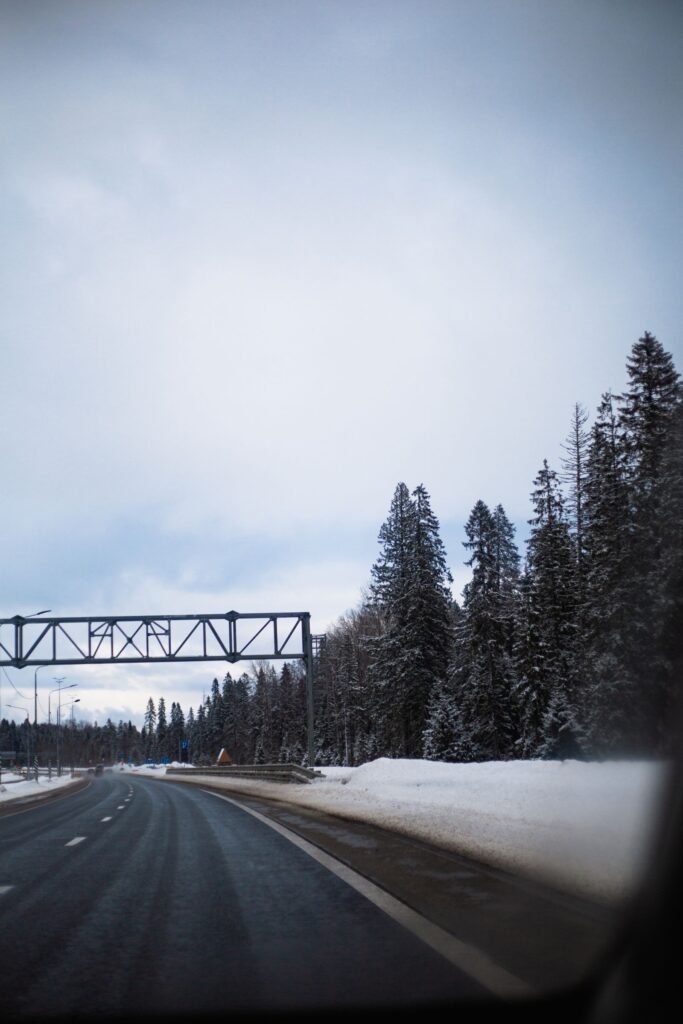
Tires are the single biggest factor in how a winter drive feels, and the rules are different depending on where you go. Parks Canada requires snow tires or chains on Highway 93 North (the Icefields Parkway) and Highway 93 South inside Banff National Park from November 1 to March 31, and whenever the road is covered in snow or ice. The tires should carry the mountain-and-snowflake symbol or the M+S marking.
The Trans-Canada Highway between Calgary and Banff is not covered by that Icefields Parkway rule, but staff at rental counters and local drivers will tell you the same thing: use proper winter tires anyway. If you continue into Yoho National Park in British Columbia, a separate winter tire or chain requirement applies from October 1 to April 30.
Renting a car? Do not assume an SUV or all-wheel-drive listing means winter tires. Ask for the tire type in writing, check the sidewall markings at pickup, and confirm the contract allows chains if you ever need them. All-wheel drive helps you get moving. It does not help you stop.
Where to check road conditions before you leave
Do not rely on the town forecast alone. Conditions in Banff can differ from the weather in Calgary by several degrees and a few centimetres of snow, and the highway can be affected at one end and perfectly clear at the other.
- Alberta 511 for current road reports, closures and camera views on Alberta highways.
- DriveBC if your route continues into British Columbia, for example towards Field and Emerald Lake.
- Parks Canada alerts for closures and warnings inside the national parks, including avalanche-control work on some roads.
- Your own judgement at the airport window. If the sky is heavy and the wind is up, give yourself more time.
Check again before the return trip. Many visitors only look on the way in and then get caught out on the way out.
Packing for the car, not just the hotel
If you are driving, keep a small kit in the vehicle. None of this is exotic, and most of it is already in your luggage.
- Warm layers, boots and gloves within reach, not buried in a suitcase
- A snow brush and scraper
- Water and a few snacks
- A phone charging cable or power bank
- A flashlight and a blanket
- A small shovel if you will be parking on side streets
Keep the fuel tank above half. Mobile coverage can be patchy in places, so tell someone your route and your expected arrival time if you are travelling late.
Habits that make winter driving calmer
You do not need to be a professional to drive well in winter. A few habits do most of the work.
- Clear the whole vehicle. Snow left on the roof slides onto the windscreen or onto the car behind you.
- Add distance. Leave far more space than you would in summer and brake early and gently.
- Avoid cruise control on slick or snowy roads. It can make a loss of traction harder to catch.
- Treat shade and bridges with suspicion. They freeze first and thaw last.
- Drive in daylight when you can. Winter days are short, and arriving after dark adds animals and glare to the list of things to watch.
- Do not use closed roads as shortcuts. A closure is there for a reason.
Wildlife on and near the highway
Elk, deer and occasionally bighorn sheep use the roadsides throughout the Bow Valley, and winter pushes animals toward cleared roads and open ground. Slow down when you see one, do not stop in a live lane to take photographs, and watch the verge for a second animal. Where one elk crosses, more are usually following.
The wildlife fencing along the highway reduces collisions a great deal, yet no fence is perfect. The safest approach is to scan far ahead, keep your speed moderate in the park and stay patient. If you pull over to look, use a proper pullout and keep your distance.
When it makes sense not to drive yourself
Plenty of people drive this route every winter without a problem. Still, there are several situations where handing the wheel to someone else is the more sensible plan.
- You are arriving after a long flight. Tiredness and jet lag are a poor mix with an unfamiliar road and early darkness.
- You are not used to snow. There is no shame in this. Winter driving is a skill, and the Rockies are an unforgiving place to learn it.
- You are travelling as a group. One vehicle and one driver is simpler than two rental cars and a convoy.
- You have a schedule to keep. A wedding, a dinner reservation or a conference session does not wait for a slow highway.
- You want to enjoy the scenery. A passenger can look at the mountains. A driver mostly cannot.
A private chauffeur handles the road, the conditions and the parking, and you get the view. If you want to see what that looks like in practice, our Calgary to Banff car service page explains how the trip works, and our airport service page covers pickups at Calgary International.
Other ways to get to Banff in winter
Driving yourself and booking a private car are not your only options, so here is an honest look at the alternatives.
Scheduled shuttles and buses. Several operators run between the airport and Banff. They are often the lowest-cost choice per person, but they follow set timetables and stop at set points, and you may share the vehicle with strangers and a lot of luggage. They suit solo travellers on a tight budget who are not in a hurry.
Rental car. A rental gives you freedom to explore, and for a week-long trip with a lot of independent stops it can be the right fit. Be realistic about tires, parking in Banff and your comfort driving in snow.
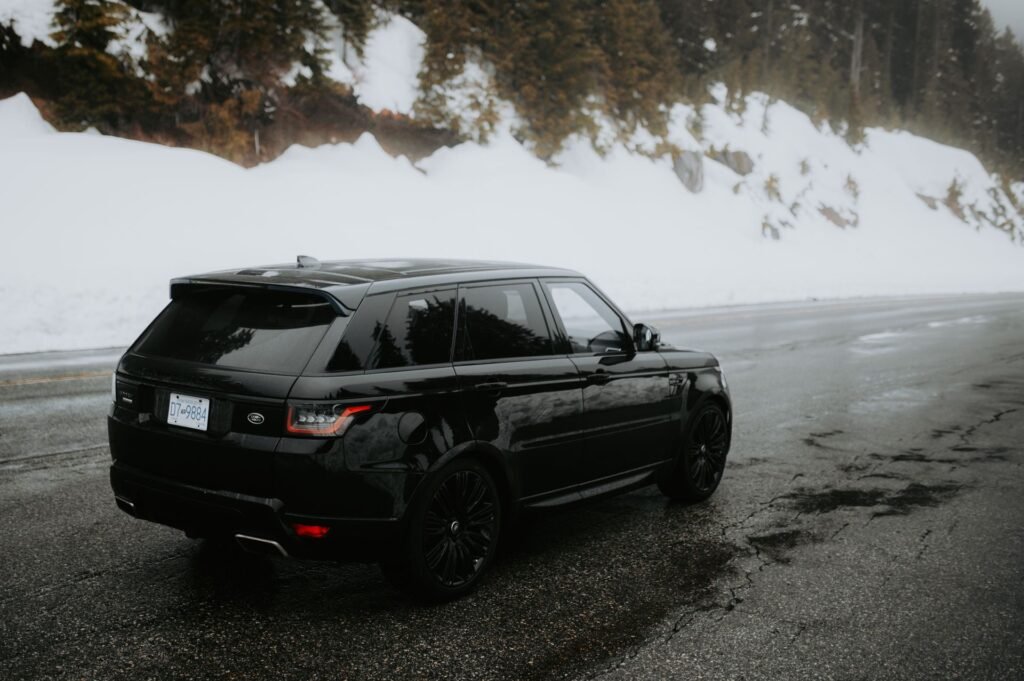
Private transfer. This is the most direct option. A private vehicle meets you at the airport, loads your bags and takes you to your door. It costs more than a shared shuttle, and what you are paying for is time, comfort and certainty. If you are curious about the vehicles we use, you can see them on our fleet page.
A sample winter transfer, step by step
To make this concrete, here is how a typical private winter transfer from Calgary airport to Banff tends to go.
- You book ahead and share your flight details and your destination in Banff.
- Your chauffeur tracks the arrival and meets you after you collect your bags.
- Luggage, skis and winter gear are loaded for you.
- The chauffeur checks the latest road report and chooses the pace to suit conditions.
- You are taken to your hotel or address in Banff, with the vehicle warmed and ready.
We do not quote prices on this page because they depend on the vehicle, the number of passengers and the date. You can request a written quote through our booking page and see the full amount before you confirm.
Timing your trip around the weather
If you have flexibility, small changes can help. Mid-morning departures usually avoid the first icy hours after a cold night, while arriving in Banff before dark means you are not unloading in the cold with limited visibility. After a major snowfall, give crews time to clear and sand the roads before you set out. When a storm is forecast, it is reasonable to delay a day, especially if you are not committed to a tight schedule.
It also pays to remember that conditions in the mountains change fast. A clear start can deteriorate by the time you reach the park gate. Keep an eye on the sky and the road reports, and be prepared to slow down or stop at a safe place if visibility drops.
Related reading
If you are planning a wider trip, these guides from our blog may help you decide what to book and when:
- Banff to Calgary airport: when to leave for your flight
- Ski transfers from Calgary airport to Norquay, Sunshine and Lake Louise
- Calgary airport to Canmore: private car, shuttle or rental
Frequently asked questions
How long does it take to drive from Calgary to Banff in winter?
In good conditions it is about 90 minutes from the airport, and winter weather can add time. Plan a buffer, particularly if there is a snowfall warning or heavy weekend traffic.
Do I need winter tires between Calgary and Banff?
The Icefields Parkway rule does not apply to the Calgary to Banff section of Highway 1, but winter tires are strongly recommended. Rules do apply on the Icefields Parkway from November 1 to March 31 and in Yoho from October 1 to April 30.
Is the Calgary to Banff drive safe in winter?
Many people drive it every day. The highway is wide and maintained, though conditions can change quickly. With suitable tires, a clear windscreen and a cautious pace, it is manageable for most experienced winter drivers.
Where can I check road conditions?
Use Alberta 511 for Alberta highways, DriveBC for British Columbia, and Parks Canada for alerts inside the national parks. Check before you leave and again before your return.
Can a private chauffeur still drive if the weather is bad?
Your chauffeur follows the road reports and adjusts speed and timing to conditions. If a highway is closed, no one can pass, and we will talk through the options with you.
Final thoughts
The drive from Calgary to Banff in winter is one of the great road trips in Canada, and also one that deserves respect. Prepare your vehicle, check the reports, slow down and give yourself time. And if you would rather spend the journey looking out the window than watching the road, we are happy to take care of it for you.
To ask about a winter transfer, call us at (403) 762-5558 or send a request through our booking page. We will confirm the details with you in writing.
