

11 Nov Ski Transfers: Calgary Airport to Norquay, Sunshine & Lake Louise
Ski trips to the Rockies tend to be planned around snow reports and lift tickets, while the airport-to-resort leg gets sorted out at the last minute. That is a pity, because how you get from the Calgary arrivals hall to the base of the hill has a large effect on how your first day goes. A cramped shuttle with a dozen strangers, a long wait at a hotel, or a nervous drive in a rental on unfamiliar snow can take the shine off a trip you have been looking forward to for months.
This guide explains the practical side of getting from Calgary airport to the Banff ski resorts: which hills there are, roughly how far each one sits from Banff and Lake Louise, how the options compare, and how to plan the transfer if you are travelling with skis, boards and a group.
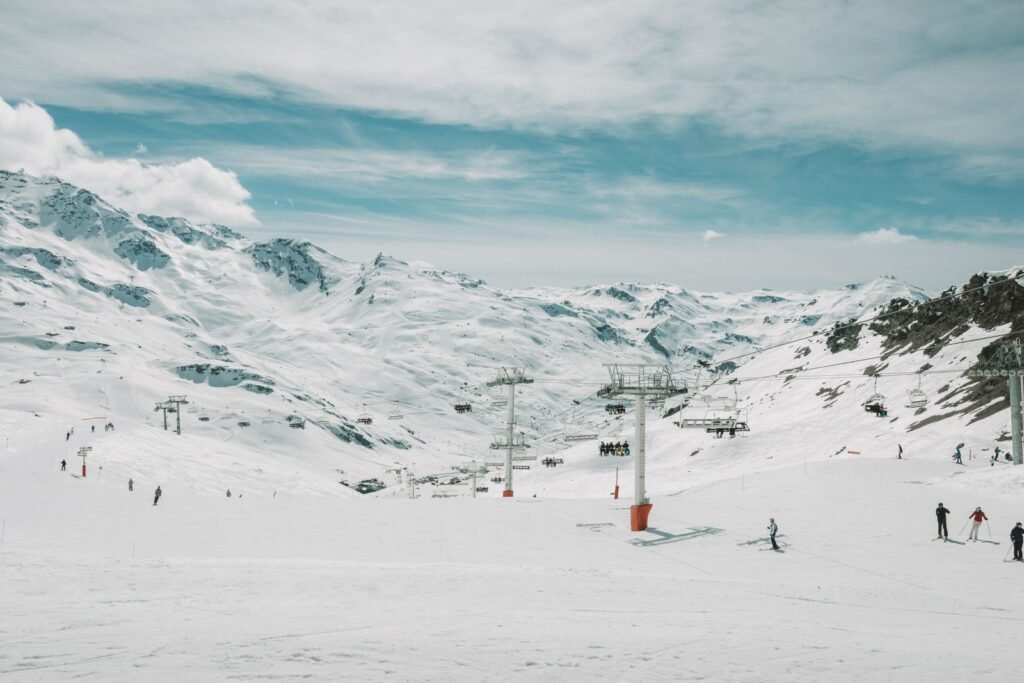
The three ski areas in Banff National Park
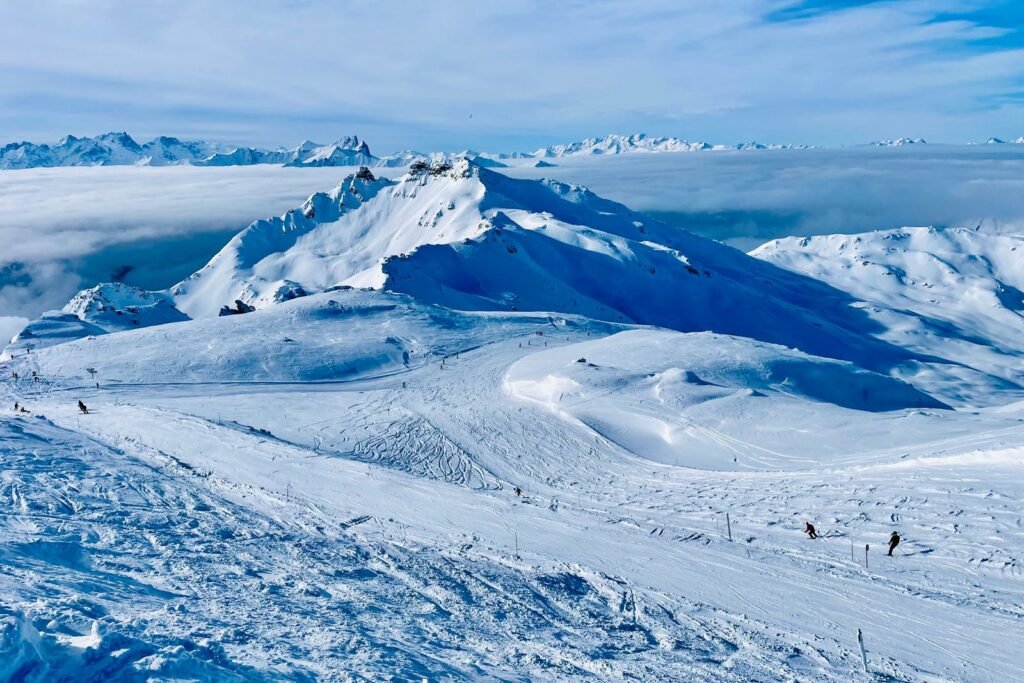
The Banff and Lake Louise region has three resorts inside the national park, often sold together under the SkiBig3 name. A single lift ticket covers all three, and a complimentary ski shuttle runs between the townsites and the hills for ticket holders, with several stops in Banff and Lake Louise.
- Mt. Norquay is the closest hill to the Banff townsite. It is known for shorter lines, a relaxed feel and night skiing at times during the season. We have a separate write-up on getting there in our post on Calgary Airport to Mount Norquay transportation.
- Banff Sunshine Village sits high on the Continental Divide and is reached by gondola from the base parking area. It is a larger, high-alpine mountain with a long season.
- Lake Louise Ski Resort is the biggest of the three by terrain. It is about 40 minutes by car from Banff town and about 10 minutes from the village of Lake Louise.
The tourism board describes the regional season as running from early November to late May, though opening and closing dates change from year to year and from resort to resort. Always check the individual resort websites for current dates.
From Calgary airport to the slopes: the big picture
Calgary International Airport is the gateway for all three hills. Banff town lies about 90 minutes away by road in normal conditions, and Lake Louise is roughly 40 minutes beyond that. A skier landing at midday with a lift ticket in hand should therefore count on a transfer of about two hours or a little more to Banff, and a further stretch to reach a hill, once the airport pickup, the bag collection and the winter road are factored in.
Because all three resorts are reached from Highway 1, the first part of the trip is shared. The decision points come later, once you know where you are sleeping. If you are staying in Banff, you will probably ride the ski shuttle or take a short drive to Norquay or Sunshine. If you are staying in Lake Louise, you will be minutes from the Lake Louise resort and further from the other two.
Your transport options compared
Shared airport shuttle
Scheduled shuttles are the traditional budget choice. They run on fixed departure times, make several stops and can be slow if your flight lands between runs. They suit solo travellers who are not in a rush. They are less comfortable with ski bags, because luggage space is shared and gear is often stacked.
Rental car
A rental gives you independence, and for a family planning to move between the three hills it can be a good fit. The trade-offs are winter tires, which you need to verify rather than assume, the stress of driving on snow after a long flight, and parking costs and limits at Banff hotels and resort lots.
Public transit and ski shuttles
Regional transit links Banff and Lake Louise and the ski shuttle serves lift ticket holders. These are useful for getting around once you have arrived. They are not a door-to-door option from the airport, so you still need a separate way to reach Banff on day one.
Private chauffeured transfer
A private vehicle meets you at arrivals, handles your bags and takes you straight to your accommodation or a resort. You pay more than for a seat on a shared shuttle, and you gain time, space for gear and a driver who knows how the mountain roads behave in winter. For a group, the cost per person often becomes much closer to a shared option than people expect, since you are splitting one vehicle rather than buying individual seats. You can see how our service works on the airport service page.
Skis, boards and bags: planning the vehicle
Gear is where trips get complicated. Skis and snowboards are long, boots and helmets are bulky, and a group of five or six with full luggage can overwhelm a vehicle that looked big enough on paper.
When you book, tell us three things: how many people are travelling, how many pieces of luggage you have, and how many sets of skis or boards are coming. With that, we can suggest the right vehicle from our fleet, which ranges from luxury SUVs through stretch limousines to a 14-passenger Ford Transit van. We would rather match the vehicle to the load before you travel than discover a problem at the curb.
If you fly with your own equipment, check your airline’s rules on ski bags in advance, and consider pre-packing boots and helmets into carry-on items so you are never without them.
Choosing where to stay and what that means for the transfer
Your base affects every ride. A few simple patterns might help you choose.
- Staying in Banff town. You are close to Norquay, within reach of Sunshine and about 40 minutes from Lake Louise. This base suits groups who want restaurants and nightlife after skiing.
- Staying in Lake Louise. You are minutes from the Lake Louise hill, with a quieter evening scene and a longer trip to Banff when you want a change.
- Staying in Canmore. You trade a longer ride to the hills for a quieter town and often a different range of accommodation. Our Canmore airport transfer page explains how we handle that route.
Whichever you choose, a private transfer from the airport only has to get you to your door once. After that, the ski shuttle or a pre-arranged ride can take you to the lifts.
Timing your arrival
Skiers love to squeeze in an afternoon on snow. That works if you land early in the day and the roads are clear, but it is worth being realistic.
- Allow for baggage. Skis and oversized items sometimes arrive at a separate belt and can take longer than regular luggage.
- Add buffer for weather. If snow is falling, the drive takes longer, and cutting it fine with lift closing times leads to stress.
- Do not forget the rental shop. If you are collecting equipment in Banff, check opening hours first.
- Think about the next morning. A relaxed evening and an early start often beats a rushed first afternoon.
For a wider look at what the drive itself involves, our guide to Calgary to Banff in winter covers conditions, tire rules and road reports.
Departing: getting back to the airport after your trip
Your last day deserves as much planning as your first. Ski days end late, bodies are tired and flights can be early. Work backwards from your departure time. Allow about 90 minutes for the drive from Banff and more from Lake Louise, add time for check-in and security, and leave extra margin when the weather is poor.
It is wise to book the return leg at the same time as the arrival, particularly on busy weekends and holidays when everybody is leaving at once. Keep your ski bags, boots and helmets near the door the night before so the morning pickup is smooth.
Family and group considerations
Travelling with children changes the plan. Check the rules and your needs on child seats and let us know in advance if you require them. Winter jackets, snacks and a few activities for the car make the ride calmer for everyone.
Groups have their own challenges. If you are a crew of friends, you may arrive on different flights. A private service can handle a single group pickup, though it is easier if flight times line up, so share every itinerary when you book. For corporate ski retreats or larger parties, a bigger vehicle can keep everyone together and simplify the day.
A realistic arrival day, hour by hour
It helps to picture the whole day instead of just the drive. Say your flight lands at midday. Allow the first hour for deplaning, passport control if you are arriving from abroad, and waiting for bags, which for skiers can include an oversize belt in a different corner of the terminal. Your chauffeur, tracking the flight, will be ready when you walk out, so there is no hunting for a shuttle stop in the cold.
The next two hours are the drive. On a clear day you will watch the foothills give way to the first big peaks near Canmore, and it is a good moment to sort your lift tickets, check the snow report and confirm your rental shop booking. By mid-afternoon you reach Banff, drop bags at the hotel and still have time for a stroll down Banff Avenue, an early dinner or, if conditions and daylight allow, a short evening session at a hill that runs night skiing.
The alternative looks quite different: a lunch-hour scramble for a rental car, an unfamiliar vehicle, a snowy highway and a car park search at the other end. Neither plan is wrong, but it is worth deciding on purpose rather than by default.
A short checklist before you fly
- Confirm your lift ticket or pass and how the ski shuttle works for your dates.
- Book equipment rentals or lessons at the hill in advance for busy weekends.
- Pack helmets, goggles and gloves in your carry-on in case checked bags are delayed.
- Share your flight number, group size and accommodation address with your transfer provider.
- Save the phone number of your driver or provider in your phone before you land.
- Check the weather and road reports the day before and the morning of travel.
None of these steps take long, and together they remove most of the little surprises that eat into a short ski holiday.
Budgeting honestly
We do not publish a flat price on this page because the cost depends on the vehicle, the number of passengers, the date and the destination. What we can promise is that you will see the quote in writing before you commit. When comparing options, put the numbers side by side with the full picture in mind: per-person shuttle fares add up quickly for a family, rental cars add fuel, insurance and parking, and a private vehicle shares its cost across everyone aboard.
The simplest approach is to request a quote through the booking page with your dates, group size and gear, then compare it to your alternatives.
Related reading
If you are planning a wider trip, these guides from our blog may help you decide what to book and when:
- Calgary to Banff in winter: what to expect on Highway 1
- Banff to Calgary airport: when to leave for your flight
- Banff holiday party and New Year's Eve transportation
Frequently asked questions
How far is Banff from Calgary airport?
About 90 minutes by road in normal conditions. Lake Louise is roughly 40 minutes beyond Banff. Winter weather can add time.
Which Banff ski resort is closest to the townsite?
Mt. Norquay is the closest hill to Banff town. Lake Louise Ski Resort is about 40 minutes from Banff by car and about 10 minutes from the village of Lake Louise.
Is there a ski shuttle between the resorts?
Yes. A complimentary ski shuttle serves the three resorts for people with a SkiBig3 lift ticket, with multiple stops in Banff and Lake Louise.
Can you carry skis and snowboards?
Yes, when we know the numbers in advance. Tell us your group size, luggage and gear when you book and we will suggest a suitable vehicle.
When does ski season start in Banff?
The regional season is described as running from early November to late May, though each resort sets its own dates. Check their websites before you travel.
Ready to plan your ski transfer?
A smooth airport transfer is the quiet part of a great ski trip. Tell us when you land, where you are staying and how much gear is coming, and we will take care of the rest. Call (403) 762-5558 or request a quote on our booking page.
