

20 Nov Minnewanka Loop & Vermilion Lakes: A 3-Hour Private Banff Tour
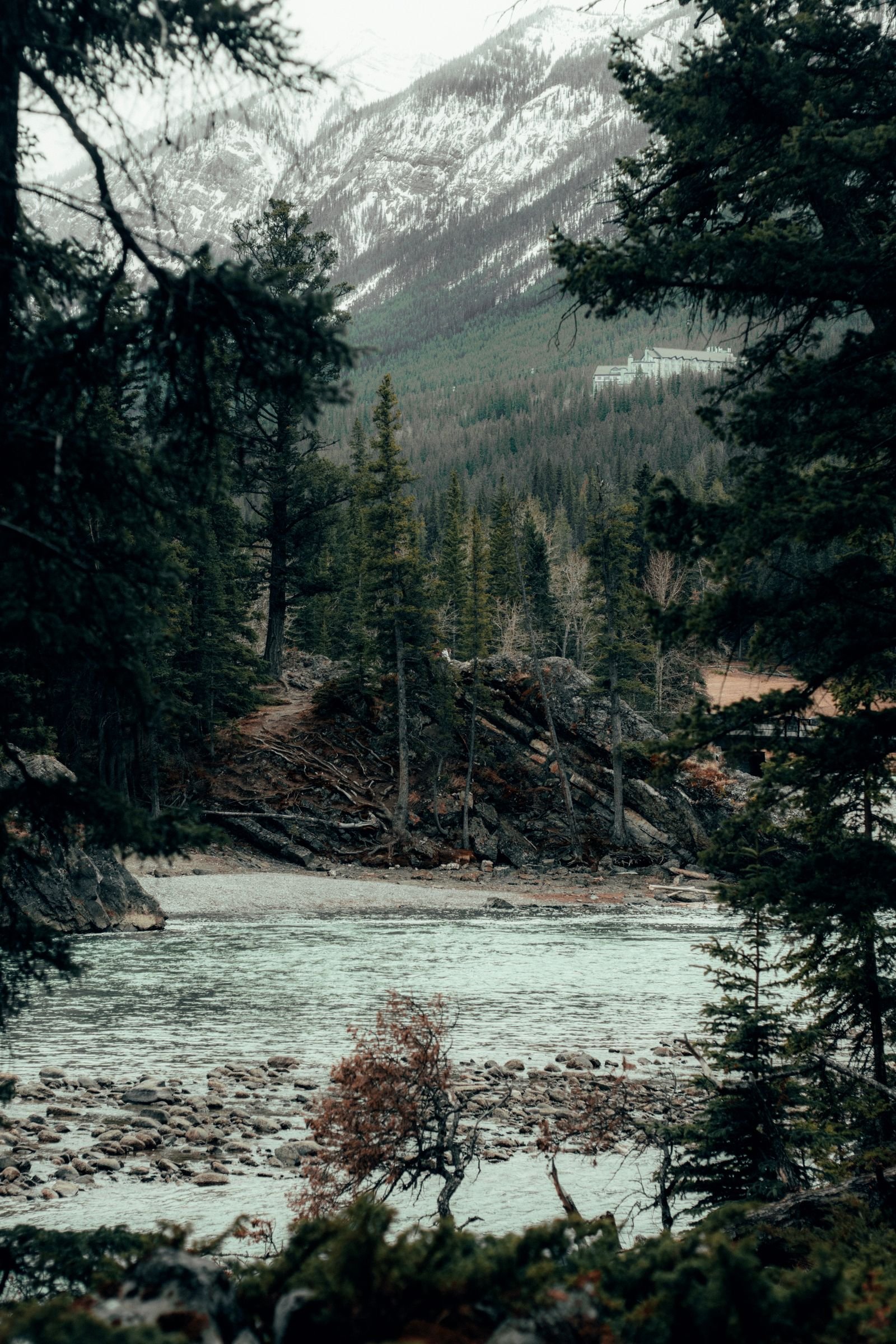
If you only have a few hours in Banff and want to see as much of the area as possible without a hard hike, two short roads do most of the work. The Lake Minnewanka Loop runs out from the townsite past lakes, ponds and open meadows where bighorn sheep and elk turn up with surprising regularity. Vermilion Lakes Road follows a string of shallow wetlands west of town with Mount Rundle rising behind the water. Together they make one of the best compact scenic drives in the Canadian Rockies.
This guide lays out a Banff private tour built around those two roads. We describe the route stop by stop, suggest how long to spend at each place, explain how the seasons change the plan and share what we think is worth knowing before you go. It is based on the standard half-day shape of about three hours, though we confirm timings with each group when they book.
The two roads at a glance
The Minnewanka Loop is roughly 14.5 kilometres long, and Vermilion Lakes Road is about 8.6 kilometres. Neither is a long drive on paper. What stretches the time is stopping: watching wildlife, walking down to the water, taking photographs and simply sitting still for a few minutes. That is exactly what a private tour is designed for.
Both roads are inside Banff National Park, so a valid park pass is required for stopping. Your chauffeur can explain how that works when you book, and the pass details are available from Parks Canada. Also keep in mind that road access can change with the season, which we cover below.
Part one: the Lake Minnewanka Loop
Cascade Ponds
The loop begins just outside the Banff townsite, and one of the first places you reach is Cascade Ponds, a group of small ponds beneath Cascade Mountain. In summer, locals picnic and swim; in colder months the area is peaceful and open. It makes a good short stop to stretch your legs and take the first photographs of the day.
Time to allow: 10 to 15 minutes.
Lake Minnewanka
The largest lake in Banff National Park, Minnewanka has a wide, open feel and long views along the water to the surrounding ranges. You can walk the shoreline, watch the light shift on the surface or simply sit and enjoy the scale of the place. Our Lake Minnewanka private tour page goes into more detail about what you can do here.
Time to allow: 30 to 45 minutes.
Two Jack Lake
A short distance along the road, Two Jack Lake is smaller and calmer. Its shoreline is a favourite with photographers who want a soft foreground and a mountain backdrop. On still mornings you can get clear reflections. Because the lake is sheltered, it can be pleasant even when the wind is up at Minnewanka.
Time to allow: 15 to 20 minutes.
Johnson Lake
The loop also passes Johnson Lake, a quieter, more secluded spot popular with locals in the summer. A walking path circles the water, and the area can be a good place to see birds and small wildlife. If your group wants a longer walk, this is where to build it into the plan.
Time to allow: 15 to 30 minutes.
Winter note: the loop is partly closed to vehicles
This is the single most important seasonal detail. In the colder months, parts of the Minnewanka Loop are closed to vehicle traffic, and access can change from year to year. If you are planning a winter visit, check the current status with Parks Canada before building your day around the loop. A reliable plan B is to spend more time at Vermilion Lakes and around the Banff townsite, which are usually accessible in winter. We will tell you what is open when you ask about a winter date.
Part two: Vermilion Lakes Road
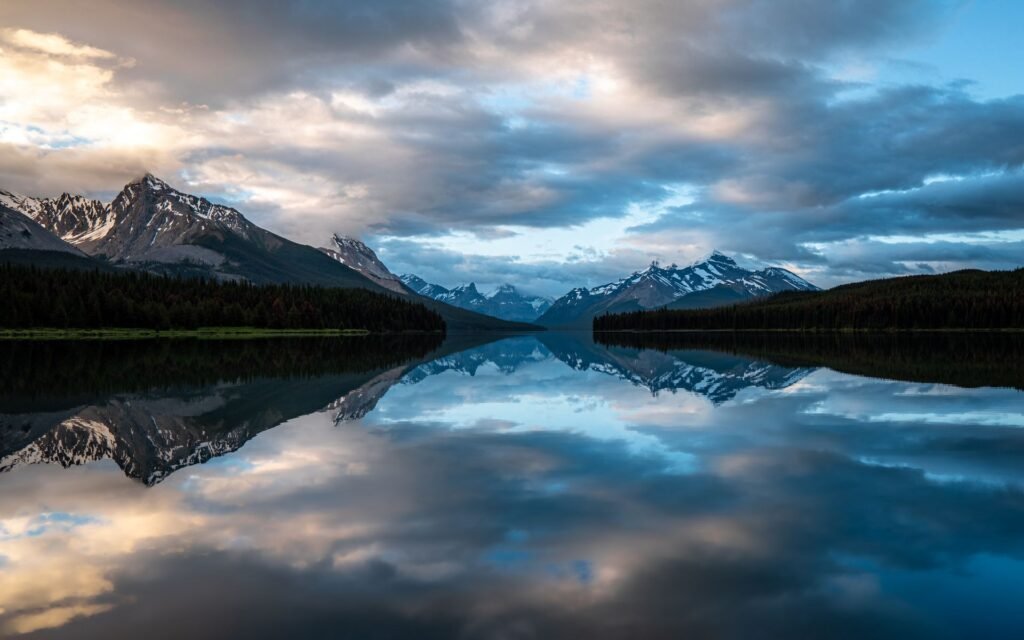
West of the townsite, a narrow road runs beside a chain of three shallow lakes and wetlands. Mount Rundle, a long sloped ridge, fills the skyline across the water, and on a still day it reflects almost perfectly. The road is short and has several pullouts, so the car can move along slowly while you decide where to stop.
What to look for
- Sunrise and sunset light on Mount Rundle, which can turn the whole ridge orange and pink.
- Wildlife. Elk, birds and sometimes other animals use the wetland edges. Keep your distance and stay near the vehicle.
- Winter steam. Parts of the lakes are fed by warmer springs, so some water stays open in cold weather and can produce atmospheric mist.
- Quiet. Early mornings here can be remarkably still.
Time to allow: 30 to 45 minutes, longer if the light is good.
A sample three-hour schedule
This is an example of how the pieces fit. The actual timing depends on the season, light, road conditions and what your group wants to see.
- Pickup at your Banff hotel or address. Your chauffeur confirms the plan and checks the road status.
- Cascade Ponds for a quick first stop.
- Lake Minnewanka for the main lake visit.
- Two Jack Lake and Johnson Lake as time and interest allow.
- Return through Banff with a short coffee or restroom break if needed.
- Vermilion Lakes to finish with the Mount Rundle view, ideally near sunset.
- Drop-off back at your accommodation.
If you prefer a slower pace, drop one of the lakes. If you want more, extend the tour. A flexible itinerary is the point of going private. Our tours page explains the range of options, including longer trips from Banff, Canmore and Lake Louise.
Wildlife etiquette
Bighorn sheep, elk and deer are common along these roads, and they are a highlight for many visitors. They are also wild animals, and the rules exist for good reasons.
- Stay in or near the vehicle if an animal is close to the road.
- Never feed or approach wildlife.
- Do not stop in a travel lane. Use proper pullouts.
- Keep voices low and move slowly.
- If an animal changes its behaviour because of you, you are too close.
A chauffeur who works the route regularly will help you spot animals without crowding them and will know where to stop safely.
Seasons and what to expect
Spring
Snow melts at different rates, and some pullouts may be wet or icy. Wildlife often appears at the edges of the road in search of fresh growth. Water levels in the lakes can be high.
Summer
The most accessible season, with long days and every stop open. It is also the busiest, so consider early-morning or evening departures for fewer people and better light.
Autumn
Golden foliage in the valleys and cooler air. Evenings come early, so plan your timing around sunset.
Winter
Short days, snow-covered peaks and some road restrictions. The Vermilion Lakes area and the townsite are often the focus. Dress warmly and allow time for slower roads.
Why go private instead of joining a large tour?
Large coach tours have their place, and they are often the most economical way to see several sights in a day. What they cannot do is adjust to you. If a herd of elk wanders across the meadow, the coach has a schedule to keep. If the light at Vermilion Lakes is spectacular, the group still leaves on time. With a private vehicle, the pace belongs to your party.
Privacy also changes the atmosphere. You can ask your chauffeur questions without shouting over a microphone, you can sit quietly at a pullout for as long as you like, and you can change the plan on the spot if the weather or your energy levels shift. Small groups, families and couples often find this to be the difference between seeing a place and actually experiencing it.
Making the most of the light
Both of these roads reward good timing. Morning light on Lake Minnewanka tends to be gentle, with calm water and few visitors. Late afternoon and evening bring warmer colours to Mount Rundle and the Vermilion Lakes. If you can choose, plan your start so that the lake visits fall in the first half of the tour and the Vermilion Lakes finish near sunset.
A few simple habits help any photographer. Shoot with the sun behind you or to the side for even colour. Look for a foreground, such as a log, a patch of reeds or a rock, to add depth. Wait a minute or two at each stop, since clouds move and the scene can change dramatically. And keep a lens cloth in your pocket for spray and fingerprints.
Combining the tour with other plans
A three-hour tour fits easily around other parts of a Banff day. Many visitors schedule it for the morning and keep the afternoon for the gondola, a spa visit or a walk through town. Others take it in the late afternoon and finish with dinner. If you are arriving from the airport, ask about starting the tour on the same journey; our airport service page explains how pickups work, and a combined plan can save a separate booking. And if you are visiting for a wedding or event, a short scenic drive is a lovely way to spend a free morning with family.
Who this tour suits
- First-time visitors who want an overview of Banff without long hikes.
- Families with children, as the stops are short and easy.
- Older travellers or anyone who prefers limited walking.
- Photographers who want flexible timing around the light.
- Couples and small groups celebrating a special occasion.
If you are staying in Canmore, our private tours from Canmore include pickup from your door, so you can start the same route without arranging your own transport to Banff.
What a good tour driver notices
It is easy to overlook how much of a tour depends on the person behind the wheel. A chauffeur who works this route regularly knows which pullouts fill up first, where sheep tend to gather in a given season and when a stretch of road is likely to be icy. They watch the rear-view mirror for other vehicles, signal early and stop where it is safe for everyone, including the animals.
They also read the group. Some guests want facts and history, others would rather listen to the wind. A good driver offers information without insisting on it, and lets the scenery do most of the talking. If you have a favourite kind of stop, such as a quiet shoreline, a long viewpoint or a place for a picnic, tell them at the start and they will bend the route toward it. That small amount of local judgement is a large part of what you are paying for with a private tour,.
Practical tips
- Dress in layers. The weather near the water is cooler and windier than in town.
- Bring a camera or phone. Bring a spare battery in cold weather.
- Carry water and snacks. Services along the loop are limited.
- Check the park pass. Make sure you have a valid one for the days you visit.
- Tell your chauffeur what you care about. Wildlife, photography, a quiet walk: the plan adapts.
Related reading
If you are planning a wider trip, these guides from our blog may help you decide what to book and when:
- The best Banff wedding photo stops by car
- Icefields Parkway day trip to Bow Lake
- Emerald Lake and Yoho National Park private tour
Frequently asked questions
How long does a Minnewanka and Vermilion Lakes tour take?
A typical half-day plan takes about three hours, though we adjust timing to suit your group and the season.
Is the Minnewanka Loop open in winter?
Parts of it are closed to vehicles in the colder months. Check the current status before travelling. Vermilion Lakes and the townsite are usually accessible alternatives.
Will we see wildlife?
Wildlife is common along both roads, but sightings are never guaranteed. Your chauffeur will help you spot animals safely.
Do we need a national park pass?
A valid park pass is required to stop in Banff National Park. Ask us about the details when you book.
Can we customise the route?
Yes. Private tours are flexible, so tell us your interests and we will shape the stops around them.
Book a private Banff tour
Two short roads, an unhurried pace and a driver who knows where to stop: it is hard to find a better introduction to Banff. To ask about a tour, call (403) 762-5558 or send your dates and group size through our booking page. We will reply with a written quote and confirm the timing for your season.
